Hospitality flooring has to perform in public view
Hotels, lounges, restaurants, and entertainment venues place unusual demands on flooring. Guests expect a polished experience, but the floor has to survive luggage, service carts, spills, furniture movement, housekeeping equipment, and nearly continuous traffic. Material decisions should support the design concept and the operating reality of the property.
The lobby sets the tone
Hotel lobbies often combine circulation, seating, check-in, food service, and event activity. Flooring can help organize these functions. Resilient stone or terrazzo looks can create a strong architectural foundation. Carpet or carpet tile can define lounge zones and improve acoustics. Transitions should feel intentional and remain smooth for luggage and carts.
Corridors need durability and sound control
Guestroom corridors often benefit from soft flooring because it helps manage footsteps and rolling luggage noise. Carpet tile can simplify localized replacement, while broadloom may support a more continuous design. Product selection should consider pattern scale, stain resistance, maintenance access, and long-term replacement plans.
Food and beverage areas require practical surfaces
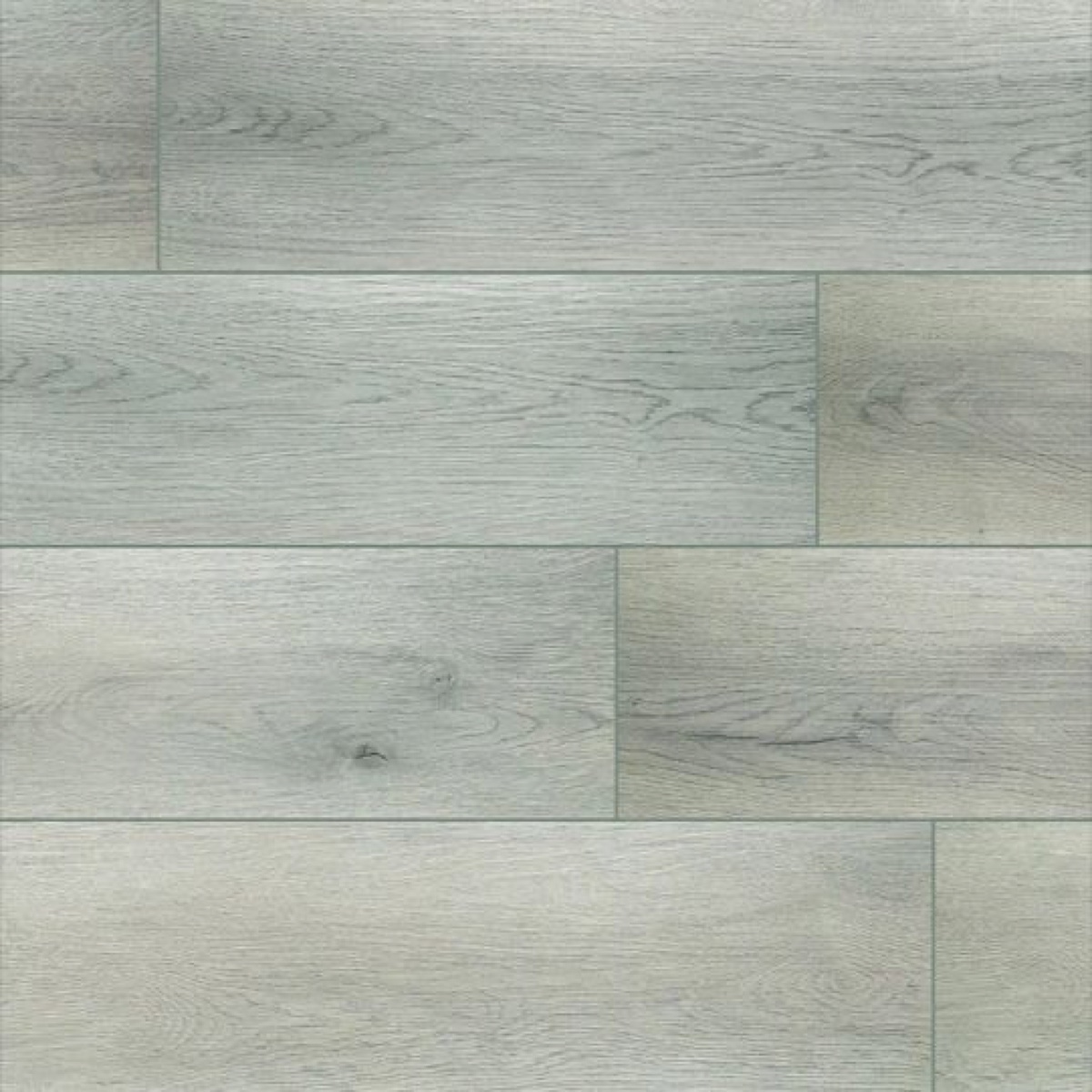
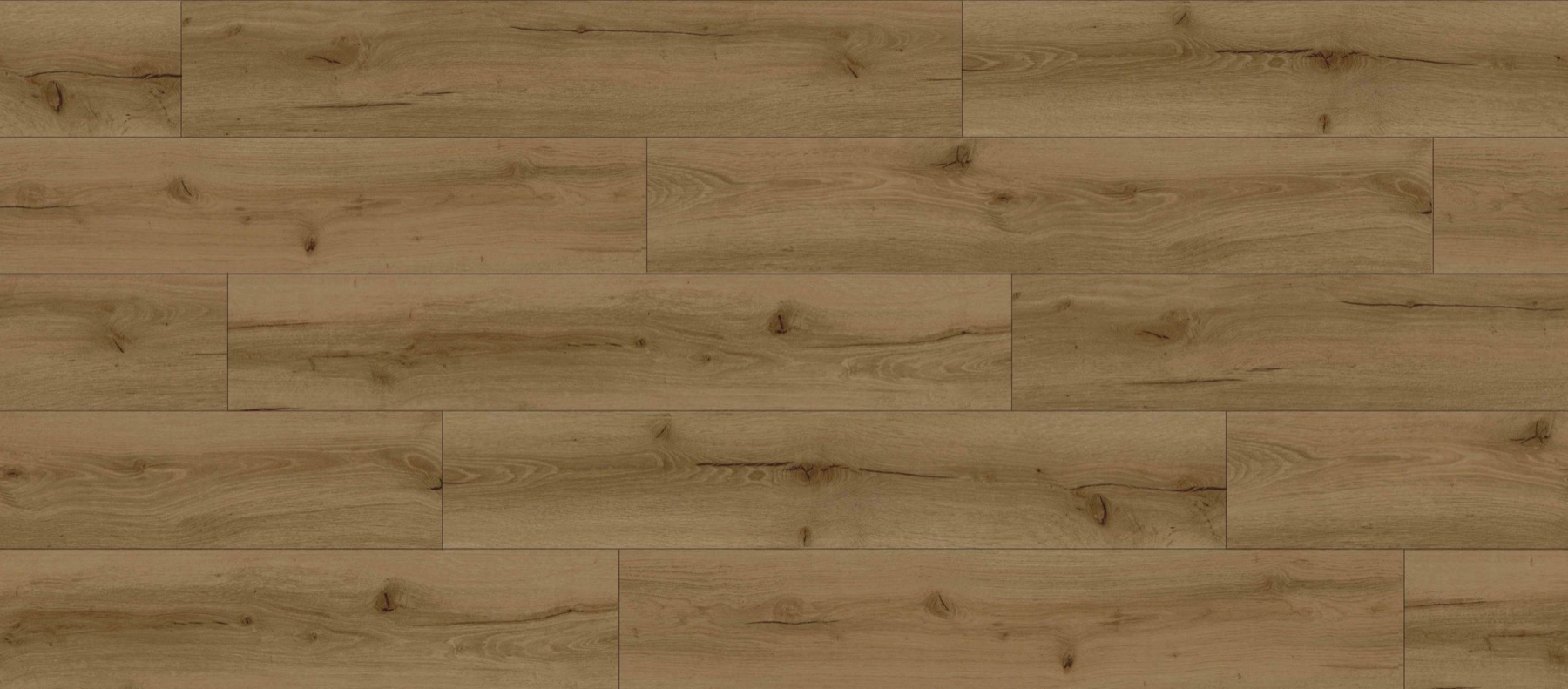
Restaurants, bars, and cafes need flooring that supports frequent cleaning and handles spills. Front-of-house finishes should still match the hospitality concept. Wood-look luxury vinyl, commercial tile, and other resilient materials can create warmth or sophistication while remaining practical for daily use.
Renovation scheduling is critical
Hospitality properties often remain open during renovations. Flooring may need to be installed by floor, wing, or zone. Quiet hours, guest access, elevator use, and material staging all need to be planned. Selecting readily available products and confirming lead times early can protect the schedule.