
Restaurant flooring has a demanding job
A restaurant floor has to support the design concept while handling spills, grease, dragged chairs, deliveries, cleaning, and heavy traffic. Front-of-house and back-of-house areas often have very different requirements, which means one material may not be ideal for the entire space. The best flooring plan considers safety, maintenance, durability, comfort, and visual continuity.
Front-of-house flooring should support the atmosphere
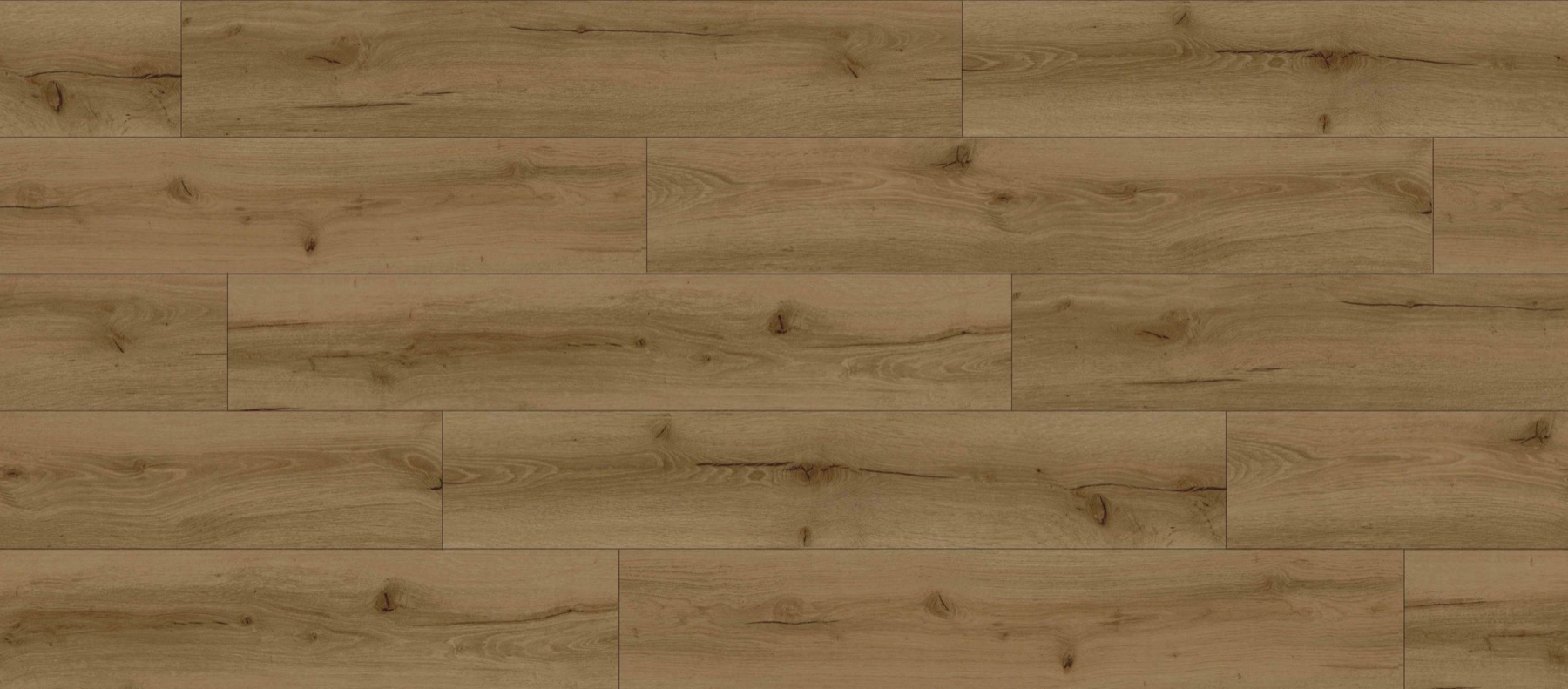
Dining rooms, cafes, and bars rely heavily on mood. Wood-look luxury vinyl can create warmth without the maintenance concerns of traditional hardwood in a spill-prone environment. Concrete-look or stone-look surfaces can support a modern Los Angeles concept. Carpet tile may work in selected hospitality areas where sound control is important, although it is generally less practical near food and beverage service zones.
Back-of-house areas need specialized performance
Kitchens, dishwashing areas, storage rooms, and service corridors may require surfaces designed for water, grease, thermal changes, and slip resistance. These areas should be evaluated separately from the dining room. The correct floor, wall base, transitions, and drainage details are critical to long-term performance.
Cleaning routines should guide the specification
Ask how the restaurant will be cleaned and which chemicals will be used. A finish that looks excellent on opening day may become difficult to maintain if it shows every scuff or requires a specialized process. Color and pattern also influence how visible dirt and wear appear between cleanings. Mid-tone, textured visuals are often more forgiving than extremely light or highly reflective surfaces.
Plan around opening dates and operating hours
Restaurant projects often have aggressive schedules. Delayed flooring can affect equipment installation, millwork, inspections, and final cleaning. For remodels, the work may need to happen overnight or in carefully planned phases. Early material selection and accurate field measurements help prevent avoidable delays.