Retail design is becoming more architectural
Los Angeles retail interiors increasingly treat the floor as a major design surface rather than a neutral background. Large uninterrupted fields, monolithic concrete looks, pale terrazzo visuals, and warm wood textures can make a store feel more intentional before fixtures or merchandise are added. The strongest trends are not only visually distinctive. They also work for real commercial traffic.
Concrete and terrazzo visuals remain popular
Polished concrete and terrazzo-inspired flooring suit modern boutiques, showrooms, wellness brands, and technology-focused retail. They create a clean foundation that works with metal, glass, stone, and pale wood fixtures. Luxury vinyl and commercial tile can achieve a similar visual direction with different installation, comfort, and maintenance characteristics.
Warmer wood looks are returning
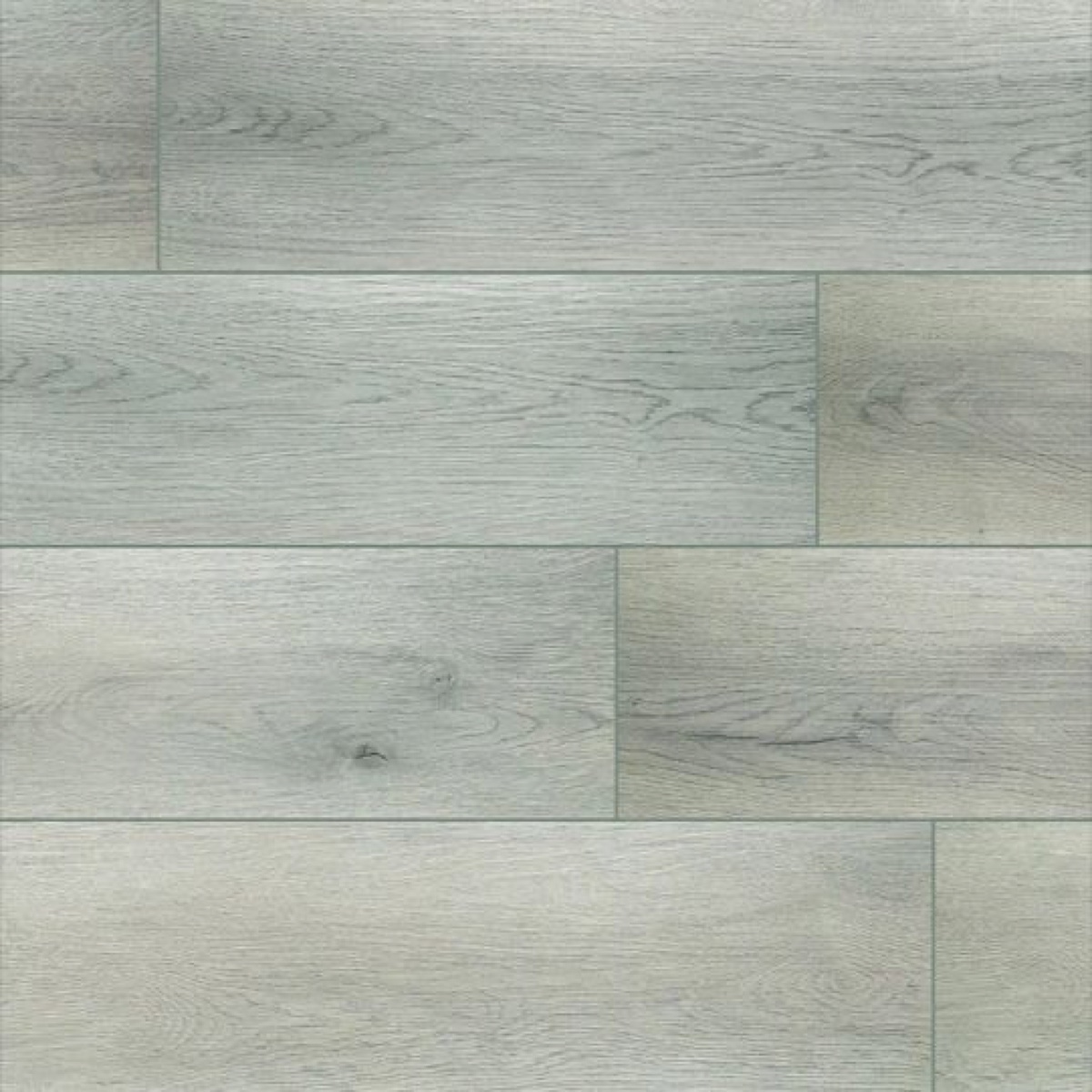
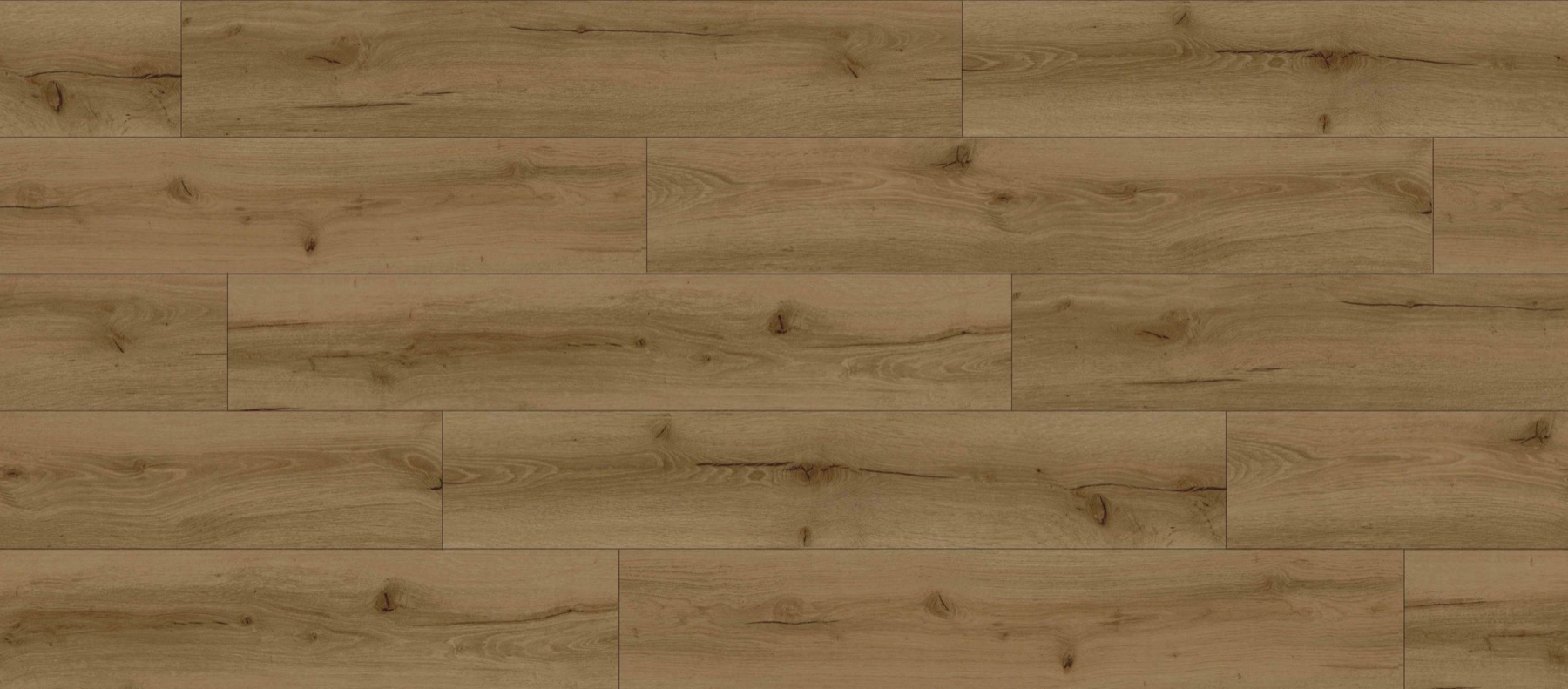
Not every modern store needs to feel cold. Natural oak tones, wide-plank visuals, and subtle grain patterns can make a retail environment feel more inviting. These finishes work especially well for lifestyle, beauty, hospitality, and service-oriented brands. The key is choosing a pattern that feels refined rather than overly rustic.
Flooring is being used to define zones
Retailers can use changes in color, direction, or material to guide customers through a space. A darker field may frame a central display. A contrasting inset can identify a service counter. A change in plank direction can lead customers toward fitting rooms or a feature wall. These strategies can create movement without adding physical barriers.
Timeless performance matters more than a temporary trend
A commercial floor should still look appropriate after the current design cycle changes. Neutral materials with strong texture and good performance tend to age better than highly specific patterns. Before selecting a trend-driven finish, consider how it will work with future merchandising, lighting, and fixture updates.