Both materials can create a modern commercial look
Polished concrete and concrete-look luxury vinyl are frequently considered for retail stores, offices, showrooms, salons, hospitality spaces, and modern lobbies. They can both support a clean architectural design, but they behave very differently. The right choice depends on the existing slab, expected traffic, comfort requirements, maintenance plan, and budget.
Polished concrete depends heavily on the slab
A polished concrete floor uses the existing concrete as the finished surface. The final appearance is influenced by cracks, patching, aggregate, previous adhesives, stains, and variations in the slab. Some clients appreciate that character. Others want a more controlled and consistent visual. Repairs and transitions may remain visible even after polishing.
Luxury vinyl offers more visual control
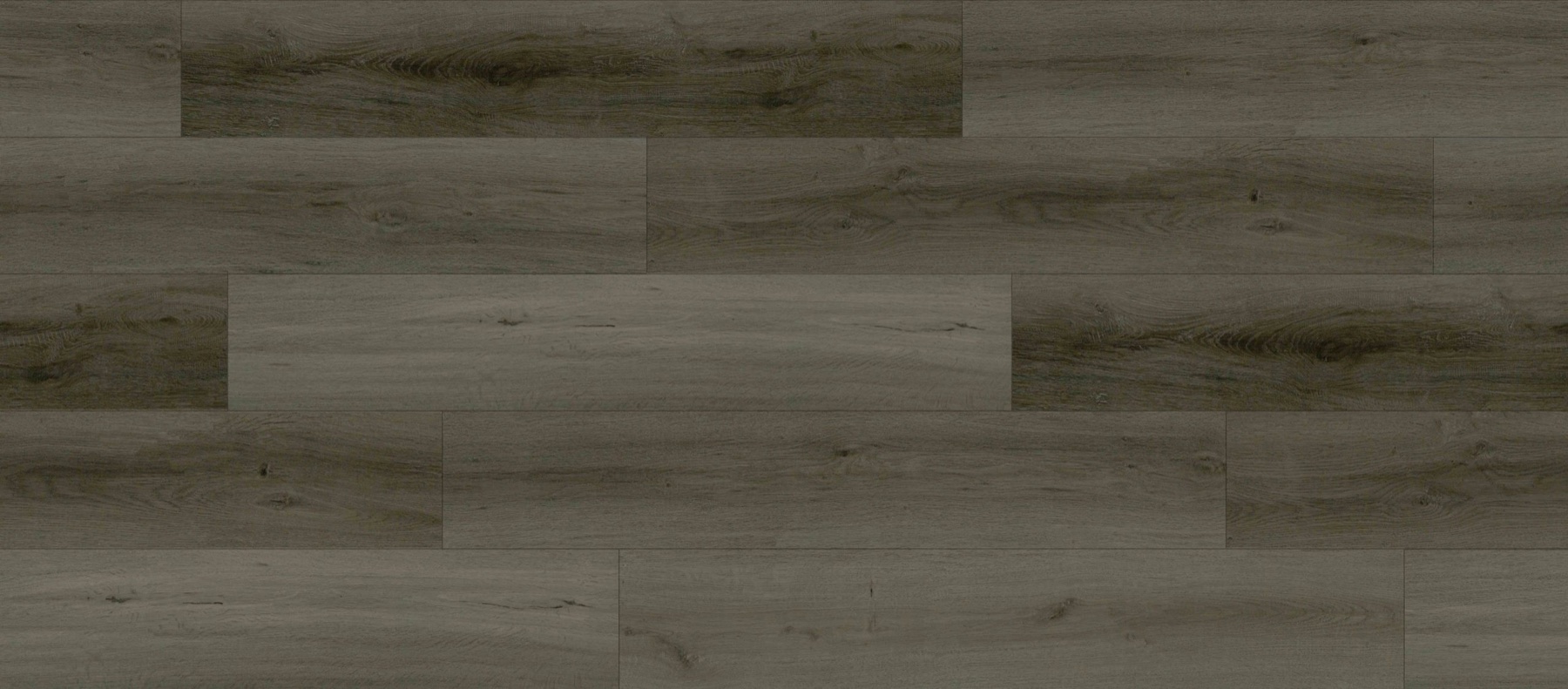
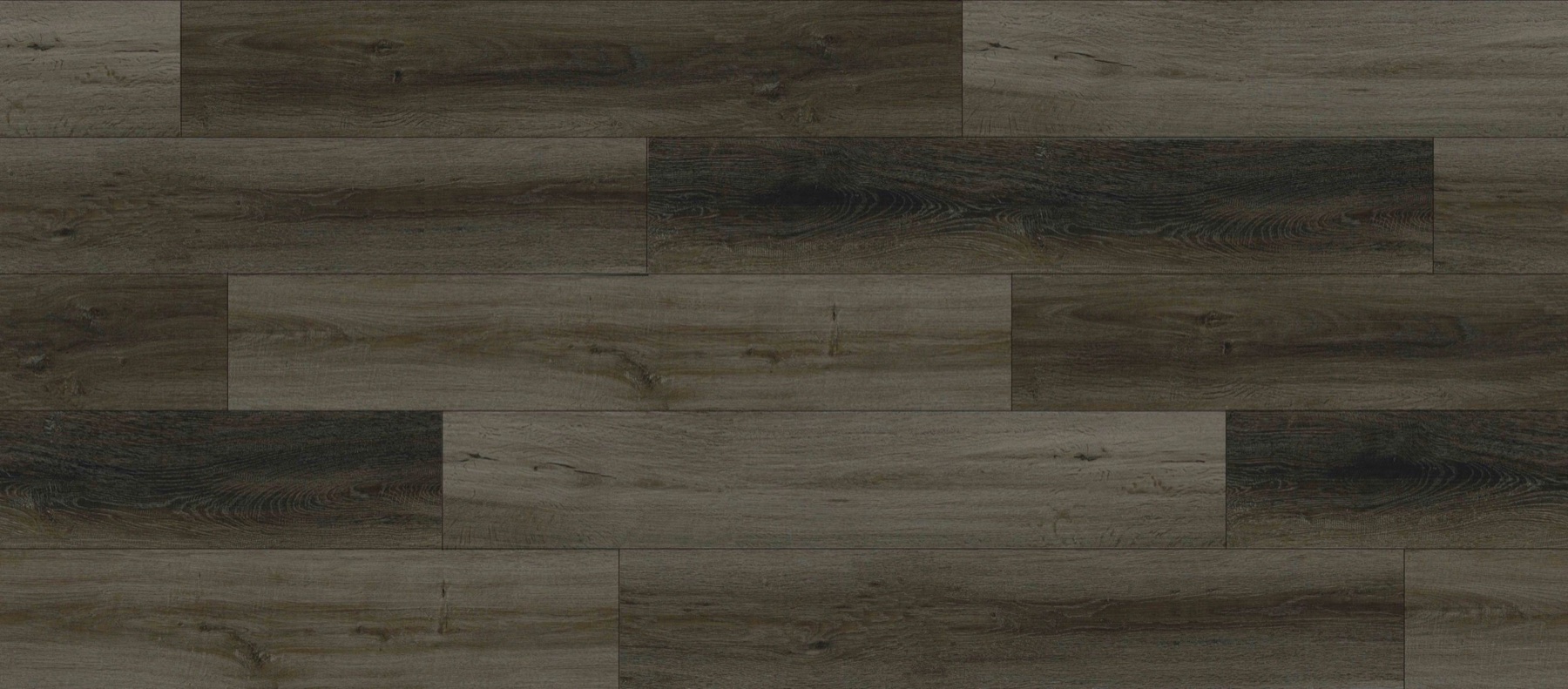
Concrete-look luxury vinyl can provide a consistent tone and pattern across the space. It can also be warmer and quieter underfoot than exposed concrete. Depending on the product, damaged pieces may be easier to replace. Luxury vinyl still requires a properly prepared subfloor, and the product must be selected for the expected commercial traffic.
Maintenance and comfort are different
Polished concrete is hard and durable, but it can feel cold and may contribute to noise in large open interiors. Luxury vinyl provides a slightly more forgiving walking surface and can offer acoustic benefits depending on the construction. Cleaning requirements vary, so the maintenance team should be involved in the decision.
Compare total project conditions
The cost of polished concrete can rise when the slab needs extensive patching, adhesive removal, grinding, or moisture treatment. Luxury vinyl costs depend on product grade, preparation, adhesive, and installation. Neither option should be selected from material price alone. A site evaluation provides a more useful comparison.