Local projects come in many forms
The South Bay includes retail shops, medical offices, restaurants, warehouses, showrooms, professional offices, multifamily properties, and hospitality businesses. Each type of space places different demands on the floor. A successful project starts by defining traffic, maintenance, appearance, budget, and installation constraints.
Match the material to the operation
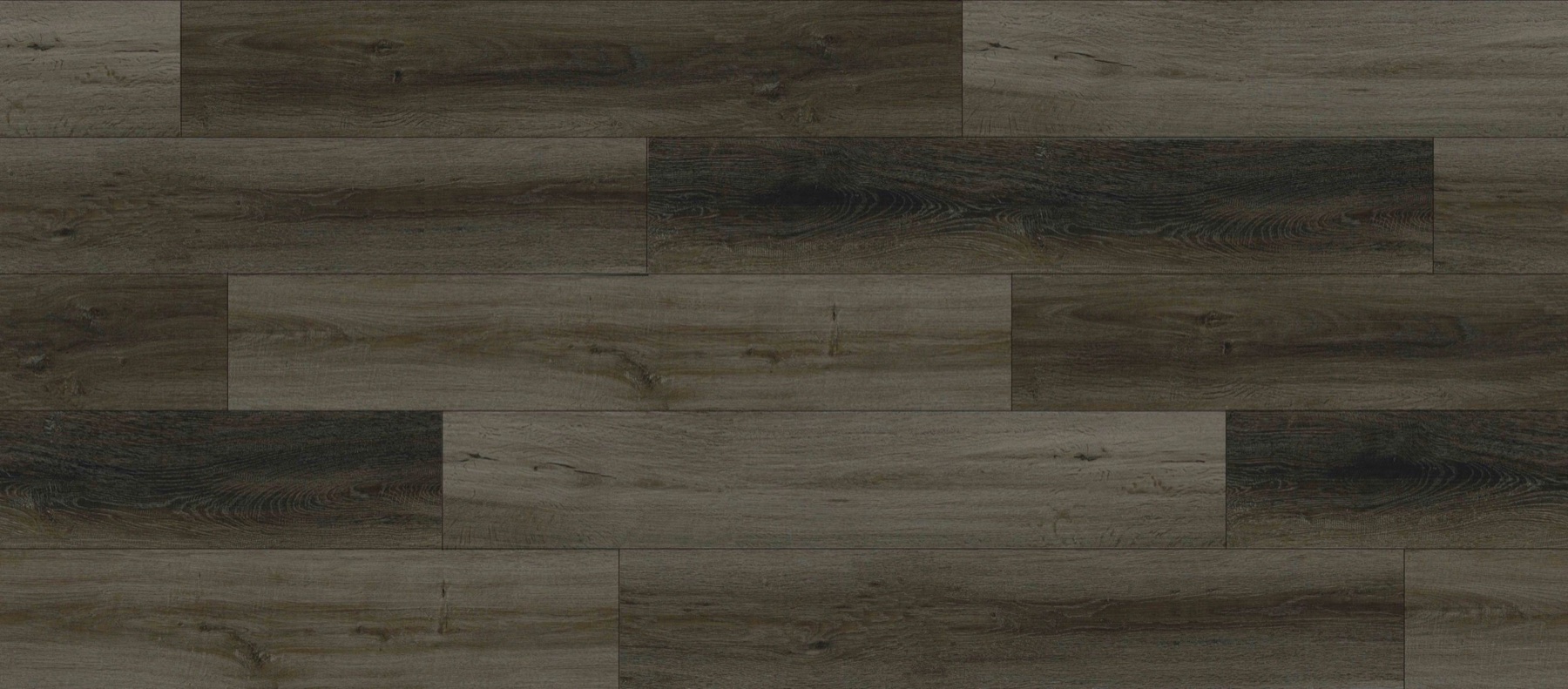
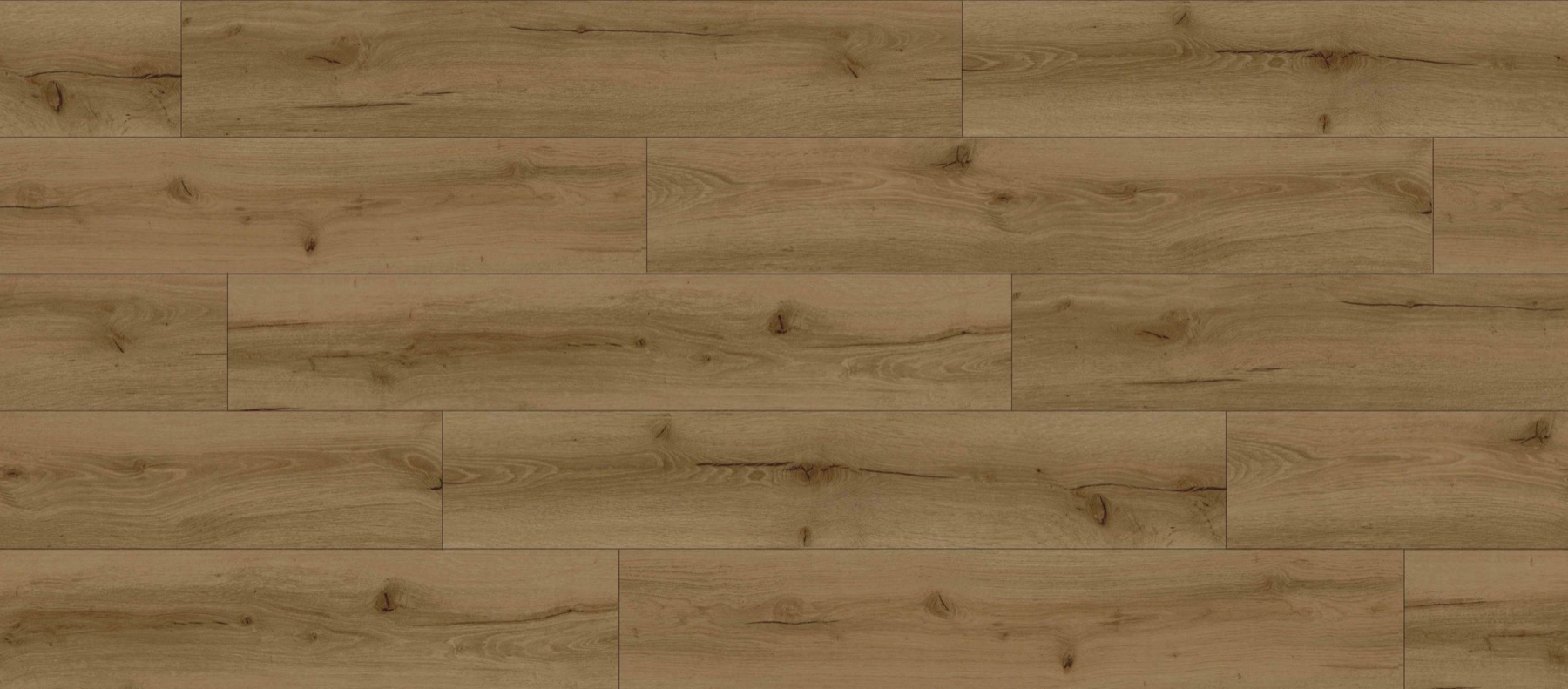
Luxury vinyl can work well for many offices, boutiques, clinics, salons, and customer-facing spaces. Carpet tile can improve acoustics in offices and meeting rooms. Commercial tile may be useful in wet or high-maintenance zones. Hardwood can create warmth in selected environments, while industrial areas may require specialized systems.
Do not overlook the subfloor
The finished material can only perform as well as the surface beneath it. Existing adhesives, cracks, uneven concrete, moisture, and previous repairs may need attention. A site evaluation and realistic preparation allowance help protect the schedule and finished appearance.
Plan for business continuity
Many South Bay businesses cannot close for an extended renovation. Flooring may need to be installed after hours, over weekends, or in phases. Furniture, inventory, equipment, customer access, and deliveries should be included in the plan.
Use local access to compare materials
Viewing samples in person makes it easier to compare texture, color, pattern scale, and construction. It also helps contractors and owners make faster decisions when schedules are tight. Fancy Floors is located on Lomita Boulevard in Torrance, making it convenient for South Bay clients to review flooring and countertop options.